Technical & on-page SEO
Kyoom regularly shares actionable advice on technical SEO and on-page optimisation. Here’s a summary of the most recent posts.

5 articles
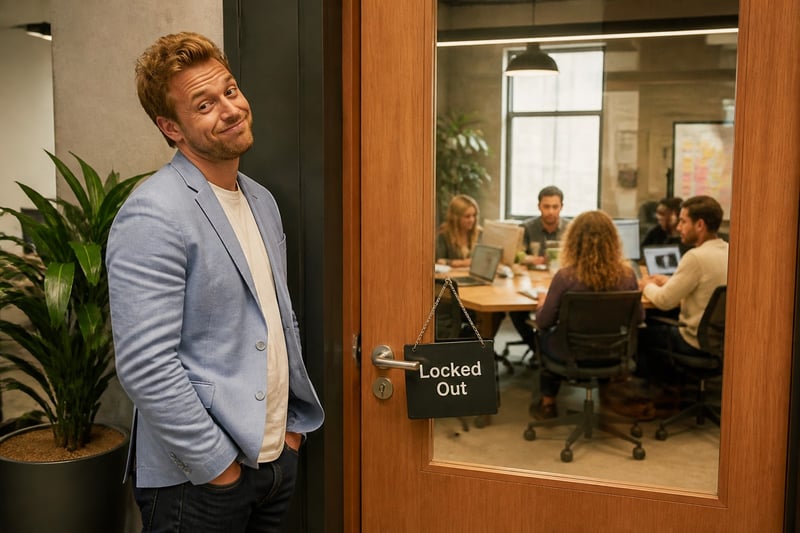
Argues that the SEO consultant belongs in the build phase – after design sign-off, while templates are being coded – not after launch. Retrofitting URLs, schema, headings, redirects and content means paying developers twice and risking years of earned authority. Yoast handles page-level basics but can't see site architecture, migrations, template-level schema faults or how AI systems parse a site.
Key takeaways
- Bring SEO in once designs are signed off and templates are being built
- Late fixes are a budget problem: recoded templates, rewritten content, retrofitted schema
- Plan redirects against the old site's rankings before URLs disappear
- Build schema, heading hierarchy and internal linking into templates, not page by page
- Structure content for LLMs: clear entities, direct answers, consistent terminology
- Yoast helps at page level but can't audit templates or architecture

A case story about an ecommerce brief Kyoom turned down: fix server response time, image loading and performance scores. The real problems were text locked inside images with no alt text, missing or broken schema, and fabricated reviews – so AI assistants had little to cite and an unflattering story to tell. With content and development out of scope, speed fixes would only treat symptoms.
Key takeaways
- Performance work is worthwhile but often treats symptoms, not causes
- Text presented as images is invisible to Google and LLMs
- Schema tells search engines and AI what a business is and how credible it is
- Fake reviews get detected, and AI draws on reviews from many platforms
- Ask AI assistants what they know about your brand before writing a brief
- Briefs that exclude content and development can rule out the real fix

A call for original content and imagery in feeds full of AI-churned copies and stock visuals. Work out what you actually believe first, then use AI for structure and polish – not conviction. Measure whether content earns traffic and conversions, and build a distinctive visual style by iterating prompts across several AI image tools, pairing images with headlines and copy that give them context.
Key takeaways
- Know what you think before opening an AI tool
- AI can refine your thinking but can't supply the conviction
- Track clicks, scroll depth and conversions – time is a cost
- Generic stock imagery makes content forgettable before it's read
- Use several AI image tools iteratively to build a recognisable brand style
- Images need surrounding context for search engines and emotional pull for readers
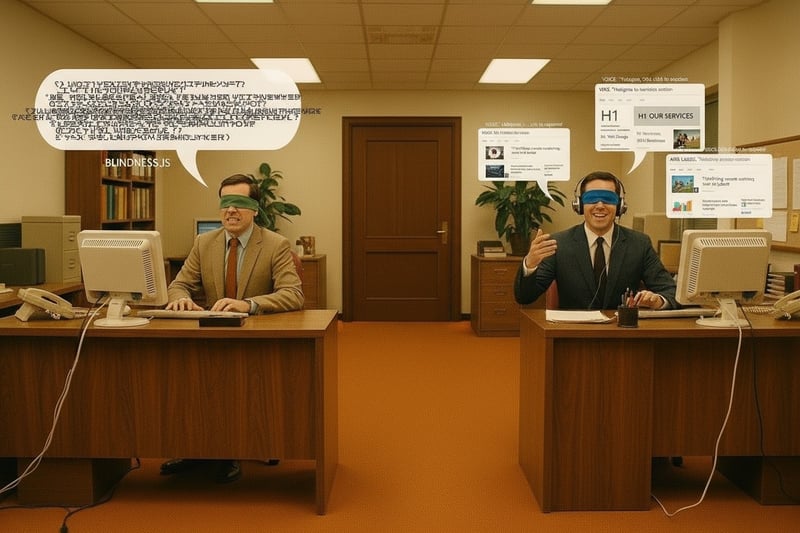
Makes the case that accessibility, SEO and web design are one job, because search engines and LLMs read pages the way screen readers do. Covers semantic HTML, heading hierarchy, alt text, sparing ARIA use, colour contrast, mobile-first design and accessible forms, then sets out checklists for planning, design, development and testing, plus where AI helps and where human judgement is still needed.
Key takeaways
- Search engines behave like blind users – structure for screen readers helps bots too
- Use semantic HTML first; add ARIA only where native elements fall short
- Accessible sites are leaner and faster, which helps Core Web Vitals
- Build contrast and visual hierarchy in from the first mood board
- Accessible forms raise completion rates for every user
- Bring designers, developers and SEO together from the first meeting
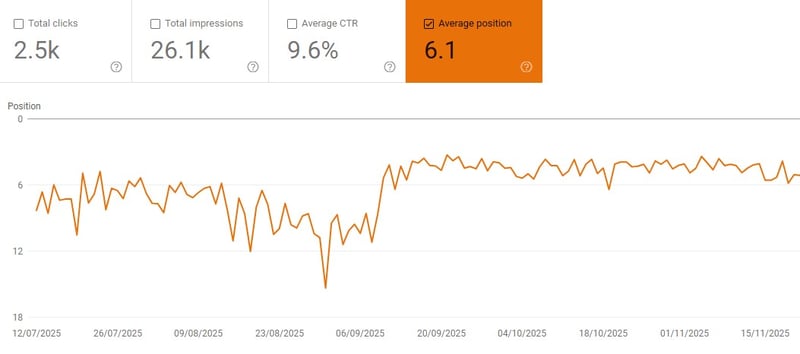
Page titles remain a core ranking signal and click-through driver, even though Google rewrites many in results. A single title and meta description change lifted clicks, CTR, rankings and sales despite AI Overviews. Covers what triggers rewrites, how to write titles and meta descriptions, the excuses teams use to avoid updates, and how to test and scale changes while keeping schema in step.
Key takeaways
- Titles still drive rankings and CTR, even alongside AI Overviews
- Stuffed, overlong, generic or mismatched titles trigger Google rewrites
- Aim for 50–60 characters, primary keyword early, brand at the end
- Write meta descriptions as an extended headline, not CMS auto-fill
- Update schema whenever titles or content change
- Test on lower-priority pages and wait 4–6 weeks before scaling