Are Page Titles Still Crucial for SEO Success ?
Page titles remain a cornerstone of traditional SEO, despite claims to the contrary. Google increasingly rewrites titles within search results, yet dismissing their value costs businesses visibility, conversions, and even placement within AI overviews.
Are Page Titles Still the Backbone of SEO Success?A Title and Description Change That Lifted Rankings and Clicks
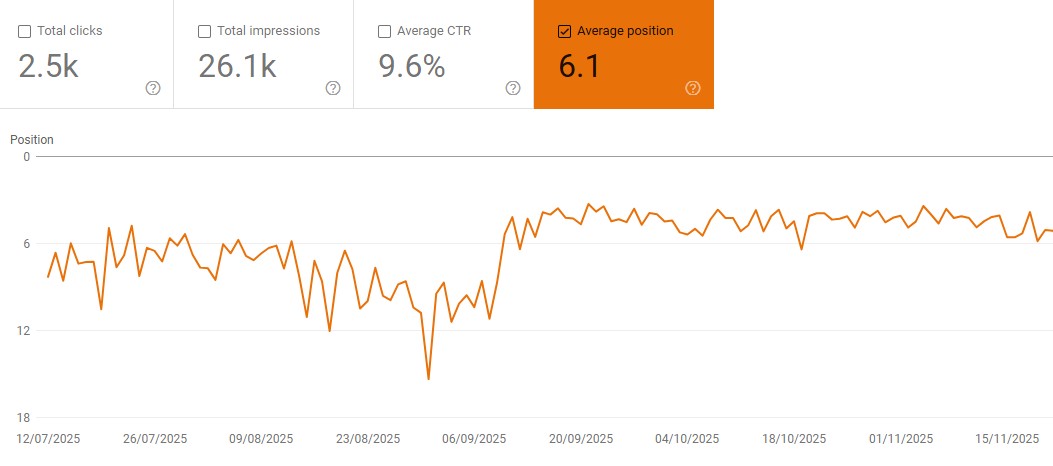
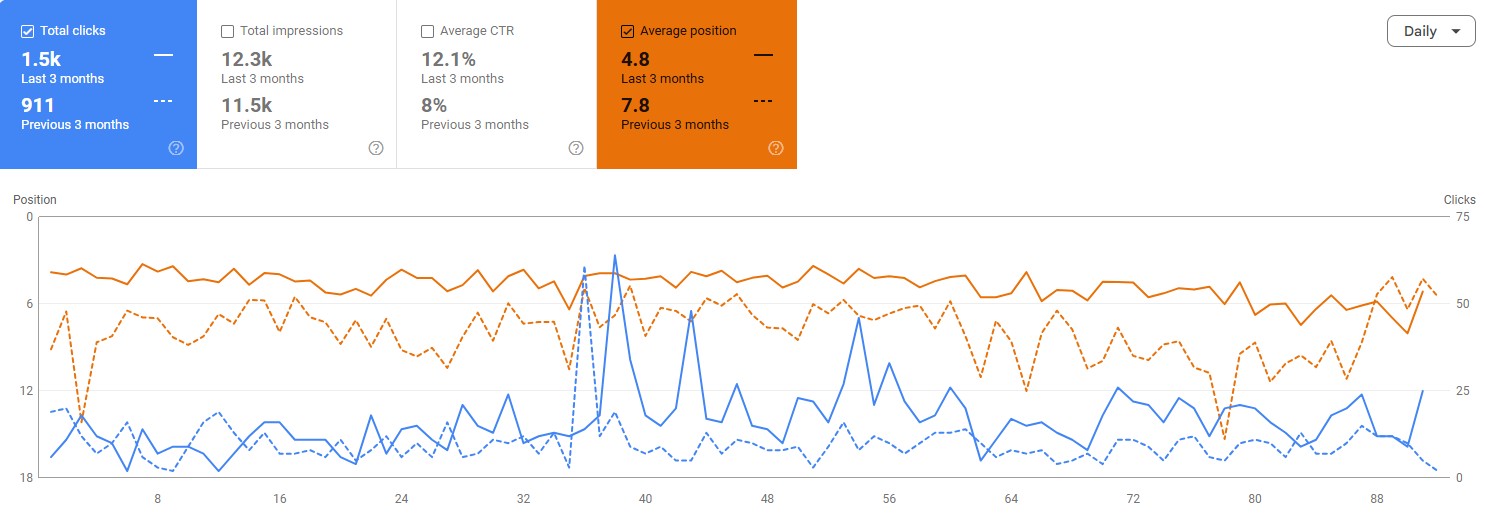
One page saw only its title tag and meta description updated, nothing else. Brand and non-brand clicks rose, click through rate improved, sales increased, and rankings climbed, all despite the presence of AI overviews on the results page. The story that SEO is dead ignores evidence like this.
Why Page Titles Still Dominate Search Performance
A Primary Ranking Signal
Google continues to treat title tags as a core ranking factor. A well crafted title communicates directly with search algorithms, signalling what a page offers and which queries it should rank for. This principle held true in the early days of SEO, and it holds true now.
A Catalyst for Click Through Rate
A compelling title turns search visibility into real traffic. Depending on the query, a page ranking third with a strong title can outperform the result sitting at the top. High click through rates signal quality to Google, and that signal feeds a cycle that lifts rankings over time.
A Foundation for User Experience
The page title sets expectations before a user ever clicks, shaping usability from that first impression onward. Much like any form of targeted advertising, getting it right lowers bounce rates and raises engagement. Getting it wrong wastes both traffic and ranking potential.
When Google Rewrites Page Titles
Since 2021, Google has rewritten page titles in search results with growing frequency. Some studies put the figure as high as 60 percent of titles, though the original title still shapes rankings even when Google displays something different on the results page.
Certain patterns trigger these rewrites more often than others:
- Keyword stuffed titles that read like spam
- Titles exceeding 60 characters
- Generic titles such as "Home" or "About Us"
- Missing brand names on established sites
- Titles mismatched to the actual page content
Why Titles Still Need Human Control
Google's rewriting habits do not remove the need to craft original titles with care. The HTML title tag still affects rankings, social platforms pull from the original version whenever content gets shared, and no algorithm understands an audience better than the business serving it. Search engines and large language models both read the underlying code of a page, regardless of what gets displayed to a human visitor.
Meta Descriptions and Their Role in Search Performance
Titles capture attention first, and meta descriptions build on that moment. These snippets sit beneath the headline in search results, providing context that often decides whether a user clicks through. A strong meta description functions as a sales pitch, adding relevance signals that reinforce the title sitting above it.
Browsers display these descriptions as preview text, positioning them as the second element a searcher reads after the title. Treat them as an extended headline, one that offers extra room to persuade. Every phrase inside a meta description should push toward convincing the searcher that the page holds exactly what they need. A meta description should extend the promise made in the title while working related keywords in naturally. When the headline that earned the click matches the description that reinforced it, the conversation with that visitor has already begun.
Do meta descriptions influence rankings directly? Not as a standalone factor. Combined with other signals though, skipping them makes little sense.
Many teams treat meta descriptions as an afterthought, letting a CMS automatically pull them from the first paragraph of the page content. This shortcut cuts both value and control. A meta description should extend the promise made in the title while incorporating related keywords with care, since Google draws from it when building result snippets. Alignment between the message that draws the click and the message that greets the visitor keeps that visitor reading.
A Practical Guide to Title Optimisation
Strategic keyword placement. Position the primary keyword near the beginning while keeping the phrasing natural. Stuffed keywords trigger both Google rewrites and potential penalties.
Length and visibility. Aim for 50 to 60 characters. Google measures titles by pixel width, so shorter titles display fully across devices.
Writing for humans first. Titles should compel action while describing content accurately, written for clicks rather than crawlers alone. Newspaper headlines offer a useful model here: informative, yet built to make a reader want more.
Unique identification. Every indexable page needs its own unique title. Even a title pulled automatically from the opening paragraph works as a starting point, provided it stays unique and relevant to the page.
Brand integration. Place the brand name at the end, separated by a pipe symbol where possible. This builds recognition and trust over time. Long brand names often get truncated: Google still reads the full name, though users may not see it.
Intent alignment. Match the title to search intent. A searcher gathering information needs different messaging than one ready to purchase or convert.
What Keeps Teams From Updating Titles
Some teams lack the resources to prioritise titles. Others simply fail to recognise their weight in search rankings.
Risk aversion. Fear of losing existing rankings, or reluctance to be seen making a wrong call, often masks a lack of confidence rather than sound strategy. Well executed title updates typically improve performance.
Resource allocation excuses. Bigger priorities often take precedence, yet title optimisation delivers one of the highest returns available in SEO work.
Technical limitations. CMS restrictions and plugin conflicts complicate updates, but these problems tend to have solutions rather than standing as permanent roadblocks.
Approval delays. Long approval chains between departments or clients discourage agencies from suggesting improvements. This pattern often reveals a communication gap rather than a deliberate strategic choice.
Budget scope limits. Agencies and marketing teams sometimes avoid what they see as extra work to stay within budget, but title optimisation belongs at the core of any SEO engagement, not on a list of optional extras.
Handling Scale Across Large Sites
Sites with thousands of pages face a real challenge, though prioritising high traffic pages and applying a systematic process narrows that challenge considerably. Screaming Frog offers one practical approach beyond broader data analysis: pull the list of indexable pages sorted by word count. Pages carrying substantial content usually reward a closer look.
Keeping Content Schema in Step
SEO specialists typically build content schema. Teams without that specialist on staff should ask their agency to handle these updates, since a page title lives inside the schema code, and any change to the title or content needs a matching update there too. Sites with large page counts benefit from hosted solutions built to manage this at scale. Skipping this step counts among the most common oversights in SEO work, and it carries real weight for how a page performs in results.
Making Title Optimisation Work in Practice
Concentrate effort on pages driving the most traffic, or targeting the most valuable keywords. Analytics reveal underperforming titles: look for pages with a low click through rate relative to their ranking position.
Test title changes on lower priority pages first, then track performance for four to six weeks before rolling changes out more broadly. This staged approach limits risk before any large scale rollout begins.
Google's indexing process runs on its own timeline, and patience matters here. A title change can take weeks to show its full effect on search results, so resist the urge to make panic adjustments. If performance drops sharply, that becomes the signal to revisit the change.
Where This Leaves Search Strategy
Page titles remain fundamental to SEO success, regardless of how Google's display behaviour evolves. Businesses winning in search treat every element with care, especially the fundamentals, and a title forms the first impression a page makes in search results.
Ready to audit the titles sitting on your site right now? The opportunity exists today, and competitors are already moving on it.
More insights from the blog

Are AI Overviews Killing the PBN Business Model
A new website, a full rebrand and a new onslaught of people trying to sell me ‘links’ and content’ on LinkedIn. I’m trying to be polite in my own Scottish way but do me a favour; "gonnae no dae that," you’re wasting your time (and mine). You’re 3 years out of date and here’s why.


Still have questions? Get in touch for a free strategy session.